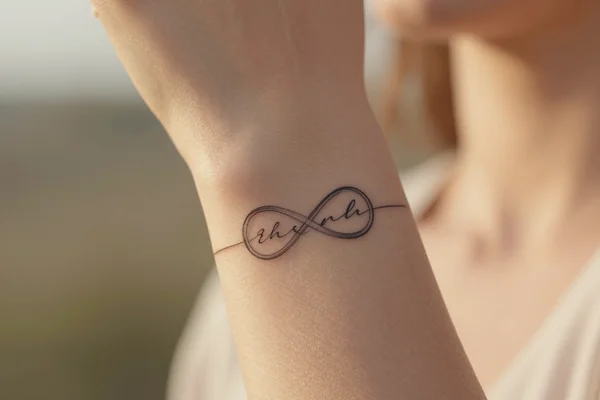
“The only thing less permanent than this relationship might be your desire to keep this tattoo.”
- High visibility = questions forever.
- Infinity trend reads dated fast.
Tattoo regret prevention tool — check before it becomes permanent
Tattoo regret is more common than you might think. According to research, approximately 25% of people with tattoos experience some level of regret. Understanding why tattoo regret happens can help you avoid making the same mistakes.
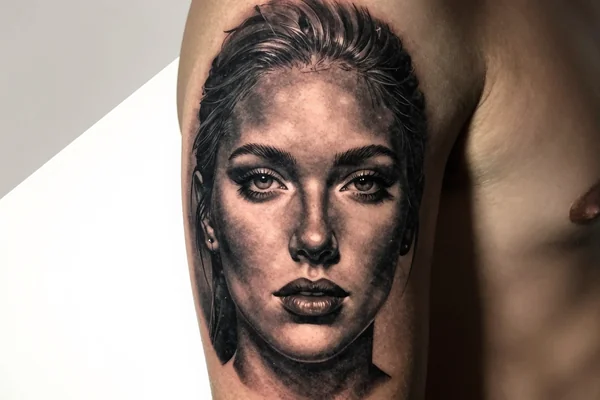
Choosing the wrong body placement is one of the top tattoo mistakes. Areas like hands, fingers, and neck can affect career opportunities.
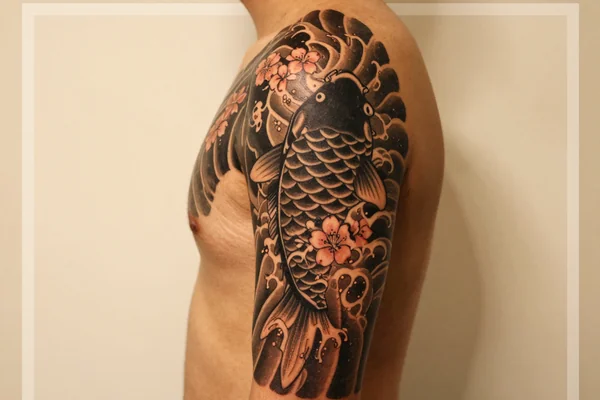
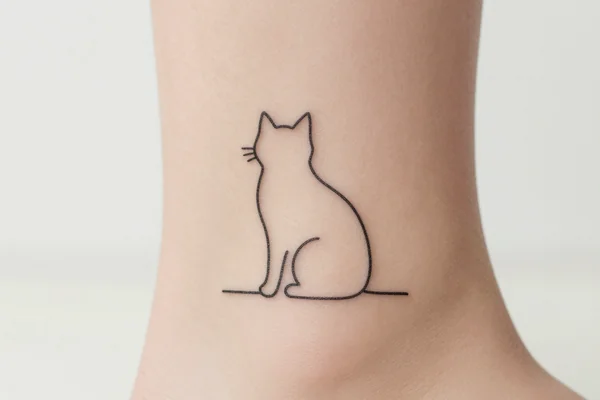
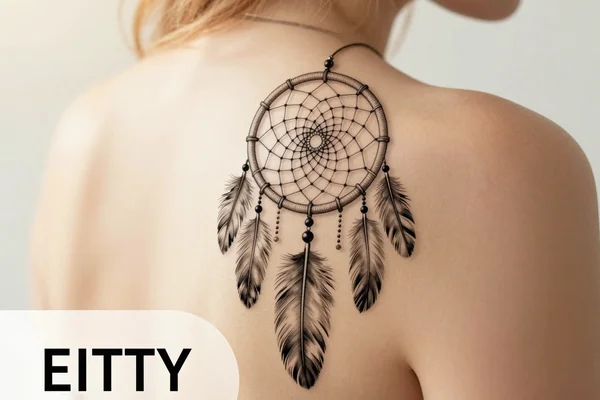
Fine line tattoos, watercolor styles, and micro-realism often blur and fade within 5-10 years. Bold traditional styles tend to age better.
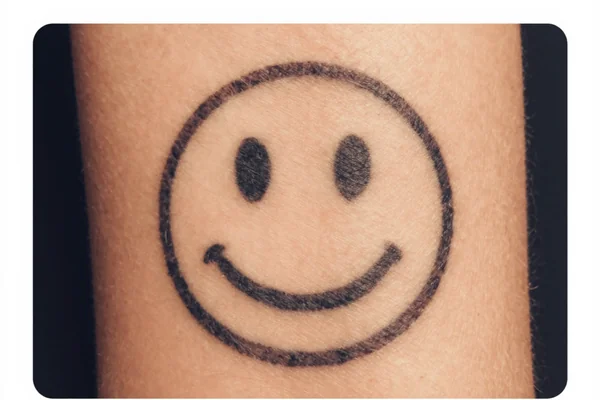
Getting a tattoo on impulse, during vacation, or to commemorate a relationship is a recipe for tattoo regret.
Choosing an inexperienced artist, going cheap, or picking a random shop leads to uneven lines, bad color saturation, and proportion issues.
Source: Based on analysis of tattoo regret stories and research from Journal of Clinical and Aesthetic Dermatology
“Approximately 25% of people with tattoos report some level of regret.”
“The most common reasons include changed personal identity and placement issues.”
“Impulsive decisions and lack of research are primary drivers of tattoo regret.”
Before you commit to permanent ink, use this checklist to minimize your risk of tattoo regret.
Impulsive tattoo decisions are the #1 cause of regret. Save the design as your phone wallpaper. If you still love it after 2 weeks of seeing it daily, it passes the first test.
Consider: Will this affect job opportunities? How visible is it? Does this body area age well? Hands, fingers, and feet fade fast due to sun exposure and friction.
Fine lines blur. Small details fade. Trendy styles look dated. Ask yourself: Will I still want this tattoo in 20 years? Bold, timeless designs with good contrast have the best longevity.
Look at healed work, not just fresh tattoos. Check reviews across multiple platforms. The cheapest option is rarely the best choice for something permanent.
Avoid getting tattoos during emotional periods (breakups, major life changes), while intoxicated, or on vacation impulse. These circumstances correlate highly with later tattoo regret.
Our AI model is trained on thousands of documented "regrettable tattoos" and professional tattoo artist feedback. We analyze your design against common failure points that lead to tattoo regret.
A comprehensive tattoo regret prevention report that goes beyond "looks good".
Explore our in-depth guides on avoiding tattoo regret:
Before You Ink is strongest when it helps someone slow down and ask better questions before a permanent decision. Uploading a tattoo idea, taking a regret quiz, or reading a placement guide should lead to a clearer choice: keep the concept, simplify it, move it, resize it, wait, or take it to an artist for a more careful redraw.
Tattoo regret usually comes from a small set of avoidable issues: rushed timing, unclear meaning, partner names, visible placements chosen too early, tiny detail, weak contrast, poor spelling, mismatched style, and designs that do not fit the body area. A good planning page should name those risks clearly instead of only showing attractive examples.
Risk advice is not a medical diagnosis, legal answer, or artist approval. It is a decision aid. Sensitive skin, allergies, scarring, keloid history, pregnancy, medication, and wound healing concerns should be discussed with a qualified professional before a tattoo session.
The safest workflow is to separate emotion from execution. First decide whether the idea still matters after a cooling-off period. Then test placement, visibility, and size. Finally ask an artist what line weight, detail level, and stencil changes would make the design age better on real skin.
Examples should be read as decision scenarios, not universal rules. A finger tattoo can be right for someone who accepts fading and touch-ups. A forearm tattoo can be a poor fit for someone worried about workplace visibility. A watercolor tattoo can be worth it when the collector understands longevity tradeoffs and chooses an artist with the right experience.
Before paying a deposit, compare the design at phone size, full size, and the approximate size on the intended body area. If the main subject disappears at small size, simplify it. If the meaning depends on fragile detail or text, make it larger or choose a bolder style.
First tattoo planning, visible placement decisions, name tattoos, matching tattoos, fine line designs, aging concerns, and ideas that feel meaningful but not fully resolved.
Replacing an artist consultation, diagnosing skin risk, approving unsafe aftercare, or making a permanent choice from one emotional moment without review.
Check spelling, meaning, visibility, aging, placement pain, touch-up expectations, artist fit, and whether the idea still feels right after sleeping on it.
Write the reason for the tattoo in one sentence. If the reason is only "it looks cool," that may be enough for decorative ink, but it should still be paired with a style and placement that you can live with for years. If the reason is grief, identity, faith, family, recovery, or a relationship, give the idea extra time before booking.
Check whether the design depends on small text, tiny faces, thin geometric lines, pale color, or delicate shading. Those details are the first to suffer from healing, sun, stretching, and normal skin changes. A safer version often uses fewer elements, bolder contrast, cleaner spacing, and a size that gives the artist room to work.
Think about visibility separately from beauty. A visible tattoo can be the right choice, but the decision should be deliberate. Hands, neck, fingers, face, and wrist placements affect work, family, social situations, and future taste more than hidden placements. If that tradeoff feels exciting today but uncertain tomorrow, wait.
Ask what would make the idea easier to explain to an artist. A clear reference, a body location, an approximate size, a style family, and two things you do not want are more useful than a vague screenshot. Better preparation usually leads to a better consultation.
Look for pressure signals. A tattoo chosen because a partner wants it, because a friend group is rushing, because a trend is peaking, or because a flash sale ends tonight has a higher regret risk. Good tattoos can be spontaneous, but permanent decisions are safer when the person getting tattooed still wants the design after the moment passes.
Review artist fit before reviewing price. A cheap tattoo in the wrong style can become expensive if it needs cover-up work later. Search for healed photos from the artist, not only fresh photos. Healed work shows whether line weight, color packing, and contrast hold up after the tattoo settles into skin.
Plan aftercare before the appointment. Work schedule, exercise, swimming, sun exposure, travel, clothing friction, and sleep position all affect healing. A good tattoo idea can still become a bad experience if the timing makes proper aftercare unrealistic.
Use the regret score as a conversation starter. If the score is high, the next step is not panic; it is diagnosis. Which part is risky: meaning, placement, style, size, social pressure, pain, aging, or artist fit? Fix the specific issue, then reassess the idea.
A safer tattoo choice is not always a smaller or more conservative tattoo. It is a design where the person understands the tradeoffs. A visible hand tattoo can be a good decision for someone who accepts faster fading, public visibility, and frequent touch-ups. The same tattoo can be a poor decision for someone who wants low maintenance or has not thought through work and family reactions.
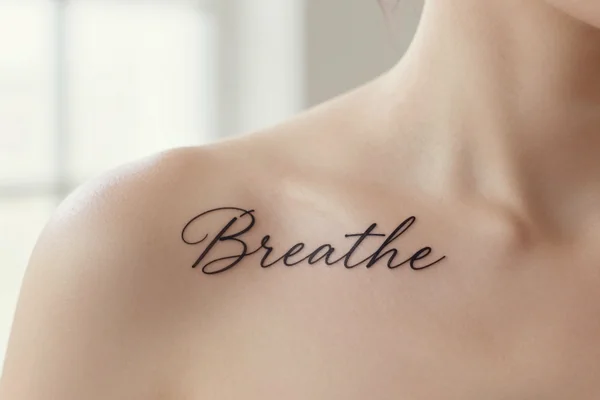
Style matters because tattoos are not static images. Traditional, neo-traditional, blackwork, and bold illustrative work usually keep their structure well because the design has strong outlines and contrast. Fine line, watercolor, micro-realism, and tiny script can still be beautiful, but they depend more heavily on artist skill, skin type, placement, aftercare, and realistic expectations about touch-ups.
Placement matters because every body area heals and wears differently. Fingers and hands are exposed to washing, friction, and sun. Ribs and sternum placements are more painful and can be harder to heal comfortably. Ankles and wrists can rub against clothing or jewelry. The right question is not only "will this look good?" but "will this still work where I want to wear it?"
Timing matters too. People are more likely to regret tattoos chosen during relationship conflict, grief spikes, travel pressure, nightlife decisions, or social pressure from a group. Waiting does not make the idea less meaningful. If the tattoo still feels right after a pause, the decision is usually stronger.
Use every guide, quiz, and example page as part of one decision process. Identify the risky part, adjust that part, and then ask whether the design still serves the original reason. A better tattoo decision usually comes from one clear revision, not from endlessly browsing more examples.
Pain pages should also be read practically. Pain is temporary, but a painful placement can affect whether you sit well, breathe steadily, and finish the session cleanly. If a body area is painful and also prone to fading or friction, make the design simpler and schedule the appointment when aftercare will be easy.
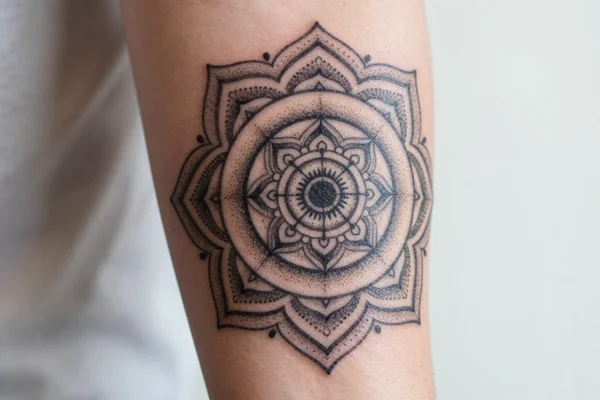
Style pages should connect beauty to maintenance. Watercolor may need more attention to color contrast. Geometric work needs symmetry and placement discipline. Fine line work needs an artist who can show healed results. The right style is the one that matches both the idea and the reality of wearing it.
Quiz pages should be treated as a pause point. A low risk result does not mean "book immediately," and a high risk result does not mean "never get tattooed." The score tells you which part of the decision deserves more thought before you make it permanent.
Hub pages have a different job: they should route the visitor to the right next question. If someone is worried about pain, send them to placement and healing context. If they are worried about regret, send them to meaning, visibility, and timing. If they are worried about style aging, send them to contrast, line weight, and healed examples.
The final decision should feel boringly clear. You know why you want the tattoo, where it goes, how large it should be, which artist can execute it, what might age poorly, and what would make you postpone. If those answers are still fuzzy, keep planning.
A hub or quiz page is complete only when it helps the visitor choose that next check without guessing.
In practice, that means a regret page should point toward the exact concern, and a style page should explain the maintenance tradeoff before the visitor books.
If that next check is obvious, the page is doing useful work.
Make the next check explicit.
Clear routing reduces rushed tattoo decisions too.