Tattoo Regret by Body Part: Ranked by Data
The question people arrive with is usually specific: which placements actually generate the most regret? The honest answer is that "most regret" gets measured two different ways, and the gap between them is the whole story.
If you only read one source, you'll get a misleading picture. Surveys that ask tattooed people "do you regret anything?" rank the arms and back highest, simply because that's where most tattoos live. Removal clinics and cover-up artists tell a different story: the placements they see most often are the hands, fingers, face, and neck—the ones people most want gone. This guide reconciles both lenses with the numbers we could actually verify.
Two Ways to Measure Regret by Placement
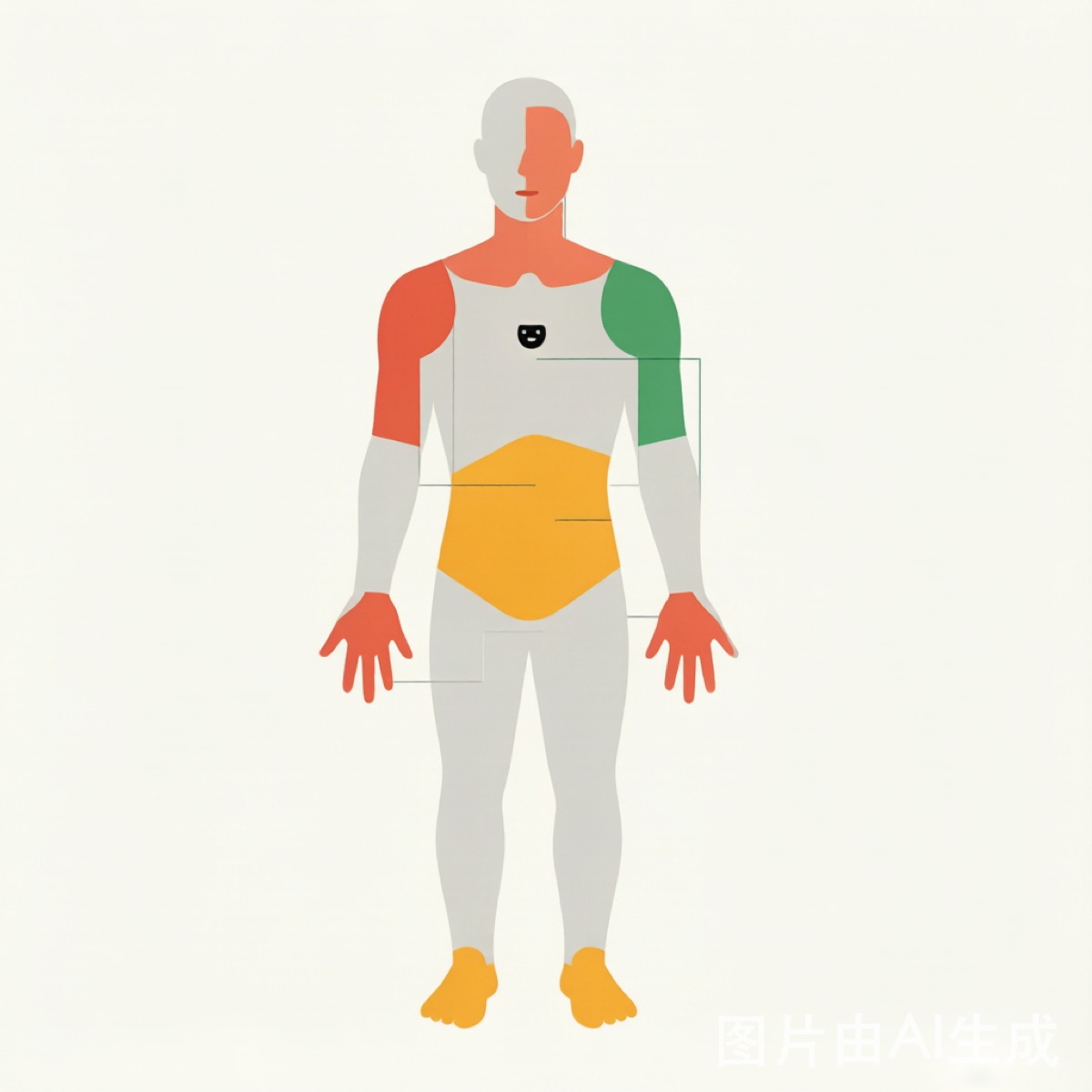
The first lens is prevalence by volume. A 2024 data analysis that aggregates multiple academic studies, news reports, and industry surveys built a regret "heat map" ranking bodily regions. By raw count, the highest-regret areas were the back, arms, and hips, with above-average regret on the chest, shoulders, thighs, and calves, and lower regret on the stomach, forearms, and ankles (ExpertBeacon, 2024 tattoo regret statistics).
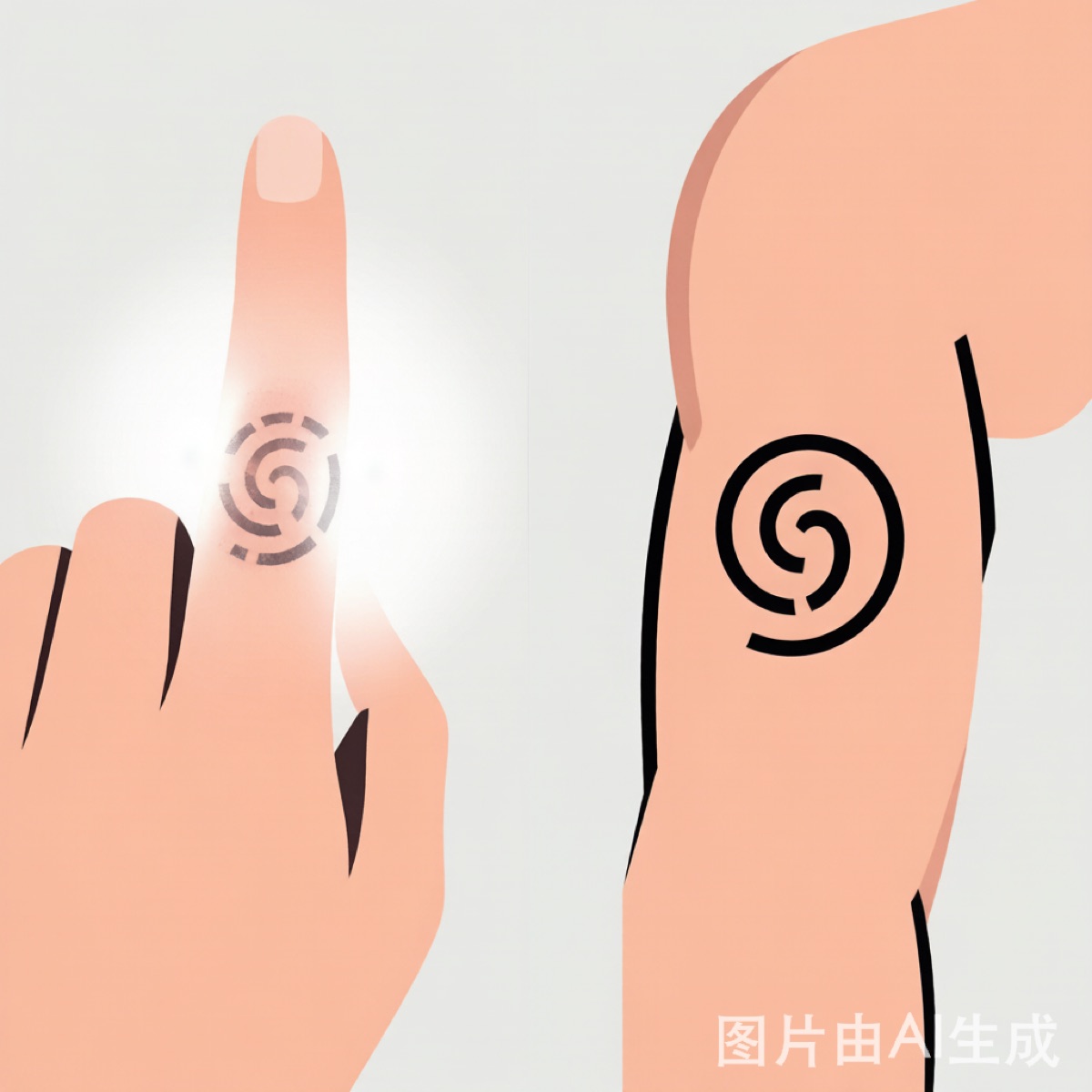
That ranking is real but misleading on its own: most people get their first tattoo on an arm or back, so the absolute number of regrets there is high even when the percentage of people unhappy with a given arm tattoo is modest. The second lens—acute regret and removal demand—weights placements by how often people actively try to undo them. On that axis, the leaderboard flips: hands, fingers, face, and neck dominate clinic waitlists because they are visible, hard to hide, and technically difficult to remove.
The Ranked Regret Table
Combining both lenses, here is a practical ranking of placements by acute regret risk—the chance a given tattoo becomes something you want removed, covered, or hidden. Tiers reflect removal-clinic patterns and aging behavior, not raw survey volume.
| Placement | Regret risk | Why it ranks here |
|---|---|---|
| Fingers & hands | Very high | Fade in months, blur, cannot be hidden for work. Before You Ink's finger analysis calls this the highest-regret placement of any. |
| Face & neck | Very high | Most visible, hardest to remove with laser, and the strongest career limiter. |
| Ribs & sides | High | Distort with weight change, rarely seen by the owner, and text warps with movement. |
| Feet & ankles | High | High-friction, high-wear areas that fade faster than most people expect. |
| Chest & stomach | Moderate | Stretch with weight fluctuation, especially over time. |
| Inner forearm / inner arm | Moderate | Thinner skin spreads ink faster; visible in most professional settings. |
| Upper arm, shoulder, outer forearm, calf, upper back | Low | Stable skin, often concealable with normal clothing, and lower sun exposure. |
For the aging and career side of each placement, our placement-regret guide goes deeper. The table above is the short version: if you can't hide it and it's on thin, high-movement skin, regret risk climbs.
Watch: Why Regret Is Rising
This breakdown covers the placement data; the cultural shift behind rising regret is worth a watch. It digs into face tattoos, "job-stopper" placements, and the removal process many people don't anticipate.
Why Hands and Fingers Top the List
Three mechanics stack on top of each other. First, the physical environment: constant hand washing, friction from gripping objects, and daily sun exposure break down fine lines within months. Second, concealment: unlike an upper arm, you cannot cover a finger tattoo with a long sleeve for an interview. Third, skin structure: thin skin over bone and joint means ink migrates (spreads) faster than on fleshy areas, so crisp script turns into a smudge.
The practical result shows up in clinic data: finger and hand pieces are among the most common removal and cover-up requests. Before You Ink's finger-tattoo analysis walks through exactly why finger ink fades, blurs, and disappoints faster than almost any other placement.
Face and Neck: The Career and Removal Problem
Face and neck tattoos sit at the extreme end on two axes at once. They are the most visible placements and the hardest to hide, which makes them the strongest career limiter across traditional industries. They are also technically the most stubborn to remove: laser energy scatters differently on facial skin, and the proximity to bone and nerve makes treatment more painful and less complete. That combination—high visibility plus hard removal—is why these placements generate disproportionate acute regret even if fewer people get them.
Ribs, Feet, and the Distortion Factor
Rib and side tattoos regret for a different reason: they distort. Weight change stretches the skin, text warps as the body moves, and because you rarely see your own ribs, you get little day-to-day enjoyment from the piece. Feet and ankles fall into the high-wear bucket—every step is friction, and shoes rub the area constantly, so ink there fades quicker than most people budget for.
The Placements That Hold Up
Upper arm, shoulder, outer forearm, calf, and upper back consistently age better. They have stable skin, lower sun exposure (except the outer forearm), and—critically—they can usually be concealed with ordinary clothing if a job or life change demands it. That concealability is the quiet advantage: a placement you can hide gives you an off-ramp that hands and necks never will.
The Numbers Behind Regret
Placement is only one variable. The broader statistics put the risk in context—and most of them point back to impulsiveness, not the design itself:
- Overall regret sits between roughly 8% and 25% across studies. A 2024 analysis puts the recent U.S. rate near 8% (down from about 14% historically) and as high as 27% in Australia; Before You Ink's research-backed guide estimates about 25% of tattooed people feel some regret (ExpertBeacon, Before You Ink).
- 78% of people regret a single tattoo, but the rate drops to about 1% once someone has four or more—collectors plan cohesively, one-off impulse pieces don't (ExpertBeacon, 2024).
- 63% of palm-sized tattoos are regretted versus just 2% of full-sleeve pieces—tiny whim tattoos are regretted at about thirty times the rate of large ones.
- Placement regret is about 10% of all regret cases, behind impulsiveness (≈30%) and changed identity (≈25%), but ahead of trend-chasing (≈5%) (Before You Ink).
- Removal is expensive. The average session runs about $463, full removal usually needs 4-7 sessions, and total cost often exceeds $2,000 (ExpertBeacon, 2024).
The social backdrop matters too. A 2024 USA Today report found tattoo regret stories spreading across TikTok, with artists pointing to social media—and the "clean girl" minimalism trend—as a driver of second-guessing among Gen Z (USA Today, July 2024).
How to De-Risk Your Placement
You can't eliminate regret, but you can move the odds. Before you commit to a location, run through this:
- Ask "can I hide this for work?" If the honest answer is no, you're accepting a permanent commitment. Hands, face, and neck fail this test hardest.
- Match size to skin. Tiny script on ribs or fingers blurs into a blob within years. Minimum sizes protect readability.
- Pick stable, lower-wear areas for your first or most meaningful piece—upper arm, shoulder, calf, upper back.
- Wait. Regret drops sharply once a decision is contemplated for a year or more; same-day tattoos regret at the top of the scale.
- Check the artwork, then ask about the spot. A design checker flags the detail and contrast the piece depends on; take that result to an artist to settle the body area before you sit in the chair.
Check the Design Before You Ink
Upload the artwork and get a read on the detail, line weight, and subject matter it depends on. The checker sees the image only, so bring the placement question to your artist alongside the result.
Check a designFAQ
What body part has the highest tattoo regret?
Among placements people most often want removed or covered, hands and fingers rank highest, then the face and neck. Before You Ink's finger analysis calls finger tattoos the highest-regret placement of any. Survey studies rank volume differently because most tattoos sit on arms and backs.
What percentage of people regret their tattoos?
Published figures range from about 8% (recent U.S. measurement) to 25% (Before You Ink's estimate), with Australia reported as high as 27%. The honest cross-study range is roughly 8%–25%.
Which tattoos are most regretted?
Impulse and visibility drive it: 78% of single-tattoo people regret versus 1% at four-plus tattoos, and 63% of palm-sized tattoos are regretted versus 2% of full sleeves. Name and relationship tattoos carry the highest individual regret rate of any category.
Why do finger and hand tattoos regret so often?
Constant washing and friction blur fine lines within months, they can't be hidden for interviews, and thin skin over bone spreads ink faster than fleshy areas—so both regret and removal demand sit at the top.
Can tattoo regret be predicted before getting inked?
Partly. Risk climbs with a first tattoo under 25, a decision under a month, a highly visible placement, or a trend-based design. A design checker and a regret quiz surface the design-level factors before you commit; the checker reads the artwork, so the body area stays a question for your artist.